Showering is part of almost everyone’s daily routine, but some common habits can leave your skin feeling dry, tight, itchy, or irritated. From using water that is too hot to scrubbing your skin too aggressively, small changes in the way you shower can make a difference in your skin care routine.
The good news? You don’t need expensive products or a complicated routine to take better care of your skin. A few simple adjustments can help you stay clean while preserving your skin’s natural moisture.
Here are 11 common shower habits worth reconsidering and what you can do instead.
1. Taking Showers With Water That Is Too Hot
A long, hot shower can feel relaxing, especially on a cold morning. However, very hot water can remove some of the natural oils that help protect your skin.
When these oils are reduced, your skin may become dry, flaky, or uncomfortable. People with sensitive skin or eczema may notice even more irritation.
What to do instead: Use lukewarm water rather than very hot water. Your shower can still feel comfortable without exposing your skin to excessive heat.
2. Staying in the Shower for Too Long
Spending a long time under running water may feel refreshing, but prolonged exposure can contribute to skin dryness, particularly when the water is hot.
For most people, a short shower is enough to clean the body without unnecessarily drying the skin.
What to do instead: Aim for a shower lasting around five to ten minutes, especially if you have dry or sensitive skin.
3. Scrubbing Your Skin Too Hard
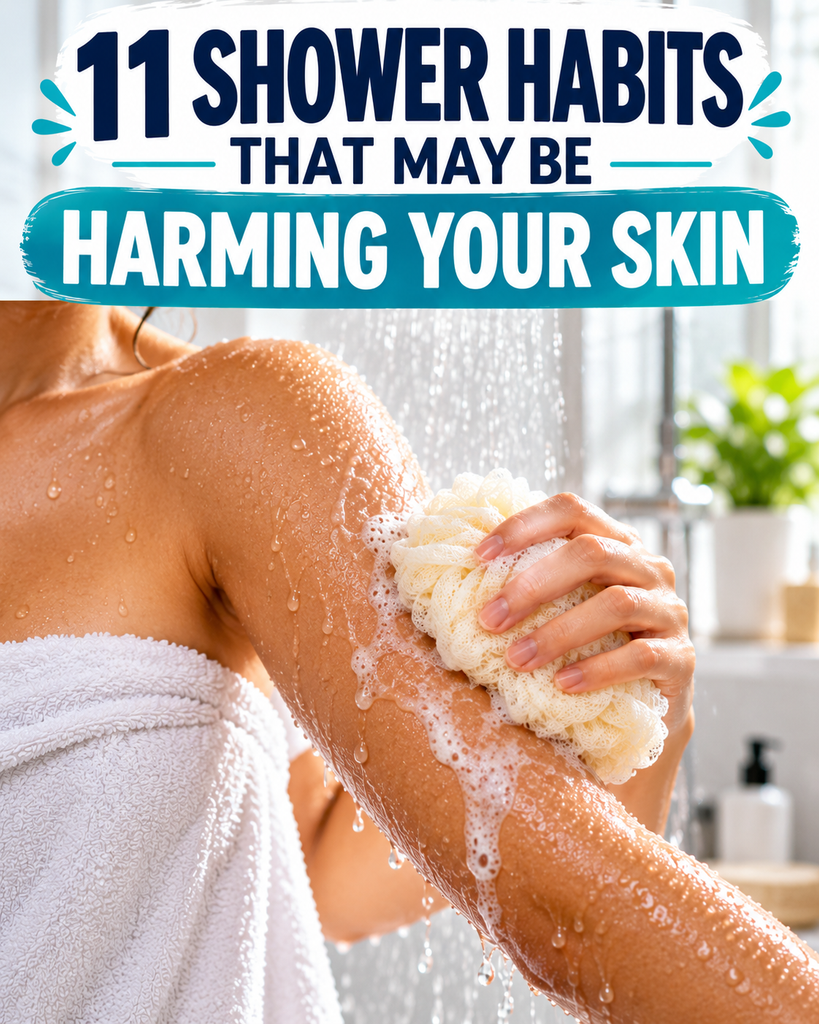
It can be tempting to scrub vigorously with a rough washcloth, loofah, or exfoliating sponge because it feels as though you are removing more dirt.
In reality, excessive friction can irritate the skin and weaken its protective barrier. Aggressive scrubbing may also make existing dryness or certain skin conditions worse.
What to do instead: Clean your body gently with your hands or a soft washcloth. You do not need to scrub hard to maintain good hygiene.
4. Using the Wrong Body Wash
Some cleansers contain fragrances or ingredients that may irritate sensitive skin. Strong cleansing products can also leave the skin feeling tight or dry.
This does not mean every scented product is harmful, but your skin’s response matters.
What to do instead: If your skin is frequently dry or itchy, consider a mild, fragrance-free cleanser. Use enough to clean your skin without creating an excessive amount of foam.
5. Forgetting to Moisturize After Showering
A shower can leave your skin feeling clean but also slightly dry, especially if you use hot water or harsh cleansers.
Moisturizer helps reduce water loss and supports the skin’s protective barrier.
What to do instead: After showering, gently pat your skin with a towel and apply a fragrance-free moisturizer while your skin is still slightly damp. This is particularly helpful if you regularly experience dryness.
6. Using a Dirty or Damp Loofah
Loofahs and bath sponges can collect dead skin cells and remain damp between showers. Warm, humid bathroom conditions can encourage microorganisms to grow on items that do not dry properly.
Using a poorly maintained sponge may also irritate your skin.
What to do instead: Rinse your loofah thoroughly after use, allow it to dry completely outside the shower area when possible, and replace it regularly according to the manufacturer’s guidance. A clean washcloth that is washed and dried between uses is another option.
7. Reusing the Same Washcloth Without Washing It
Washcloths can accumulate soap residue, skin cells, and microorganisms, particularly when left wet in the bathroom.
Reusing a damp cloth repeatedly without cleaning it is not ideal for good hygiene.
What to do instead: Use a clean washcloth regularly and let it dry completely after each use. Wash it according to its care instructions, especially if it develops an unpleasant smell.
8. Shaving With a Dull Razor
A razor that has become dull or clogged may pull at hairs instead of cutting them cleanly. This can increase friction and contribute to irritation, razor bumps, and small cuts.
Sharing razors can also expose you to infections.
What to do instead: Use a clean, sharp razor designed for your needs. Replace blades when they become dull or damaged, rinse them between strokes, and avoid pressing too hard against your skin.
Shaving toward the direction of hair growth can help reduce irritation for people who experience razor bumps.
9. Exfoliating Too Frequently
Exfoliation removes dead skin cells from the skin’s surface, but doing it too often or using overly abrasive products can cause redness, sensitivity, and dryness.
You may be especially vulnerable to irritation if you already have eczema, sensitive skin, or an impaired skin barrier.
What to do instead: Keep exfoliation gentle and occasional, and adjust the frequency to your skin’s needs. Stop if you experience burning, persistent redness, or discomfort. You do not need to exfoliate every day to have clean skin.
10. Washing Your Face With Very Hot Water
Your face can be more sensitive to certain cleansers, temperatures, and friction than other parts of your body.
Washing your face with very hot water or rubbing it vigorously can worsen dryness and irritation.
What to do instead: Use lukewarm water and a gentle facial cleanser. Apply it with your fingertips, rinse thoroughly, and pat your face dry with a soft towel.
If your skin is dry or itchy afterward, apply a suitable moisturizer.
11. Walking Barefoot in Shared Showers
Public showers, gym changing rooms, and communal bathing areas are used by many people. Walking barefoot in these damp environments can expose your feet to fungi associated with conditions such as athlete’s foot.
This does not mean an infection will always occur, but taking precautions can reduce exposure.
What to do instead: Wear shower sandals in communal shower areas. Wash and dry your feet carefully, including between your toes, and avoid sharing footwear or towels.
If you develop persistent itching, peeling, cracking, or a spreading rash on your feet, consider seeking advice from a healthcare professional.
A Simple Shower Routine for Healthier Skin
You do not need to change everything at once. A few consistent habits can make your shower routine more comfortable.
Try following these simple steps:
Use lukewarm water instead of very hot water.
Keep showers relatively short, particularly if your skin is dry.
Choose a gentle cleanser that suits your skin.
Avoid harsh scrubbing and excessive exfoliation.
Rinse away cleanser thoroughly.
Pat your skin dry rather than rubbing it vigorously.
Apply moisturizer while your skin is still slightly damp.
Keep your towels and bathing tools clean and dry.
These recommendations are consistent with guidance from the American Academy of Dermatology on caring for dry and sensitive skin.
Does Everyone Need to Shower Every Day?
Not necessarily. The ideal bathing frequency depends on factors such as physical activity, climate, sweating, personal preference, and individual skin needs.
Someone who exercises frequently or works in a hot environment may need to shower more often than someone with a less active routine. People with very dry skin or certain skin conditions may benefit from adjusting how frequently and how long they shower.
Good hygiene is important, but showering more often or scrubbing harder does not automatically mean healthier skin.
When Should You Seek Medical Advice?
Occasional dryness after showering is common, but persistent symptoms deserve attention.
Consider consulting a healthcare professional if you experience ongoing itching, painful cracks, a persistent rash, bleeding, or skin irritation that does not improve after changing your routine.
People with eczema or other diagnosed skin conditions may need specific cleansing and moisturizing recommendations. If a product repeatedly causes burning or a rash, stop using it and seek appropriate advice.
Frequently Asked Questions
Is it better to shower with hot or cold water?
Lukewarm water is generally a practical choice for everyday bathing because very hot water can dry and irritate the skin. Extremely cold water is not necessary for good hygiene.
How long should a shower last?
For people with dry or sensitive skin, around five to ten minutes is a reasonable target. The appropriate duration may vary depending on individual needs and circumstances.
Should I use a loofah every day?
You do not need to use a loofah daily. Gentle washing with your hands is often sufficient. If you prefer a loofah, keep it clean, allow it to dry thoroughly, and avoid aggressive scrubbing.
Why does my skin feel tight after showering?
Tightness may be a sign of dryness or irritation caused by hot water, frequent washing, or a cleanser that is too harsh for your skin. Try shorter showers, lukewarm water, and a gentle moisturizer.
Should I moisturize immediately after a shower?
Applying moisturizer while your skin is still slightly damp can help retain moisture. Gently pat yourself dry first, then apply a suitable product.
Final Thoughts
Your shower routine may seem simple, but small habits can influence how your skin feels throughout the day.
Using excessively hot water, scrubbing too hard, choosing irritating cleansers, and skipping moisturizer may contribute to dryness or discomfort. Fortunately, these habits are often easy to adjust.
Focus on gentle cleansing, clean bathing tools, comfortable water temperatures, and regular moisturizing. The goal is not to follow a complicated routine but to find an approach that keeps your skin clean and comfortable.
Which of these 11 shower habits surprised you the most? Share your thoughts in the comments, and let us know which simple change has helped your skin feel better.
Medical disclaimer: This article is for general educational purposes only and is not a substitute for individualized medical advice or treatment.