8 Types of Medication That May Harm Your Kidneys When Misused
Your kidneys work around the clock to filter waste from your blood, balance fluids and minerals, and help regulate blood pressure. Certain medications can affect kidney function, especially when taken in excessive doses, used for long periods, or combined with dehydration or existing kidney disease.
However, this does not mean that all these medicines are dangerous or that you should stop taking prescribed treatment. Many medications are essential, and some actually help protect kidney function over time.
Here are eight types of medication that deserve special attention when it comes to kidney health.
1. Nonsteroidal Anti-Inflammatory Drugs (NSAIDs)
NSAIDs are widely used to relieve pain, reduce inflammation, and lower fever.
Examples include:
Ibuprofen
Naproxen
Diclofenac
These medicines can reduce blood flow to the kidneys. The risk of kidney injury is greater with high doses, prolonged use, dehydration, low blood pressure, or existing kidney disease.
How to reduce the risk: Use NSAIDs only as directed and ask a healthcare professional before using them regularly, particularly if you have kidney disease, high blood pressure, diabetes, or heart failure.
2. Certain Antibiotics
Some antibiotics can affect the kidneys, while others may accumulate in the body when kidney function is reduced.
Examples include aminoglycosides, such as gentamicin, which can cause kidney injury in some circumstances.
The risk depends on the antibiotic, dose, duration of treatment, hydration, and the patient’s health.
How to reduce the risk: Take antibiotics exactly as prescribed. Your healthcare professional may adjust the dose or monitor kidney function when necessary. Never stop an antibiotic or change its dose without medical advice.
3. Certain Antiviral Medicines
Some antiviral medications can cause kidney complications in particular circumstances. The risk depends on the specific drug, dosage, hydration, and kidney function.
Some antivirals require dose adjustments in people with reduced kidney function.
How to reduce the risk: Tell your prescriber if you have kidney disease or have previously had kidney problems. Follow the recommended dosage and any hydration instructions provided for your particular medicine.
4. Proton Pump Inhibitors for Acid Reflux
Proton pump inhibitors (PPIs) reduce stomach acid and are commonly used for conditions such as acid reflux and gastroesophageal reflux disease.
Examples include omeprazole, esomeprazole, and lansoprazole.
Rarely, these medicines can cause acute interstitial nephritis, an inflammatory reaction affecting the kidneys. Some studies have also found associations between long-term PPI use and chronic kidney disease, although an association does not prove that the medicine caused the condition in every case.
How to reduce the risk: Use the medicine for the reason and duration recommended by your healthcare professional. Ask whether continued treatment is necessary, but do not stop a prescribed PPI without discussing your situation.
5. Lithium
Lithium is used to treat certain mood disorders. It can be highly effective, but long-term use may affect the kidneys in some people.
One possible complication is nephrogenic diabetes insipidus, which makes it difficult for the kidneys to conserve water and can cause excessive urination and thirst. Long-term lithium treatment can also contribute to chronic kidney problems.
How to reduce the risk: People taking lithium may need regular blood tests to check lithium levels, kidney function, and other relevant measurements. Report unusual thirst, excessive urination, vomiting, or diarrhea to your healthcare professional.
Never stop lithium suddenly without medical guidance.
6. Some Diuretics
Diuretics, sometimes called water pills, help the body remove excess salt and water. They are commonly used to treat high blood pressure, heart failure, and fluid retention.
Diuretics are not automatically harmful to the kidneys. In fact, they can be an important part of treatment. However, excessive fluid loss or dehydration can reduce blood flow to the kidneys and cause acute kidney injury.
How to reduce the risk: Take your medicine as prescribed and follow your healthcare professional’s instructions about fluid intake. Ask what to do if you develop vomiting, diarrhea, or difficulty drinking enough fluids.
Do not change your dose on your own.
7. Certain Medicines Used Before Medical Scans or Procedures
Some imaging procedures use contrast agents to make organs and blood vessels easier to see. Certain contrast agents can increase the risk of kidney complications, particularly in people with severe kidney impairment or other risk factors.
The level of risk depends on the type of contrast agent, the procedure, and the patient’s medical condition.
How to reduce the risk: Before a scan or procedure, tell the healthcare team if you have kidney disease, diabetes, or a history of kidney problems. Share your medication list and follow the team’s instructions about preparation and follow-up.
Do not cancel an important scan or stop your medication without speaking with your healthcare team.
8. High-Dose or Inappropriate Use of Certain Laxatives
Some bowel-cleansing products contain sodium phosphate. In susceptible people, these products can cause serious changes in fluid and mineral balance and may lead to kidney injury.
Risk can be higher in people with kidney disease, dehydration, older age, or certain medication combinations.
How to reduce the risk: Use bowel-cleansing products only according to medical instructions. Before preparing for a colonoscopy, tell your healthcare professional about kidney problems and all medicines you take so an appropriate product can be selected.
Who Is at Greater Risk of Medication-Related Kidney Problems?
Extra caution may be necessary for people who:
Already have chronic kidney disease.
Have diabetes or high blood pressure.
Are older adults.
Have heart failure.
Are dehydrated from fever, vomiting, or diarrhea.
Take several medicines that affect kidney function.
Use painkillers frequently or at higher-than-recommended doses.
These factors do not automatically mean that a medicine must be avoided. They mean that choosing the right medicine, dose, and monitoring plan is especially important.
Warning Signs That Need Medical Attention
Kidney injury does not always cause obvious symptoms at first. When symptoms occur, they may include:
Urinating much less than usual.
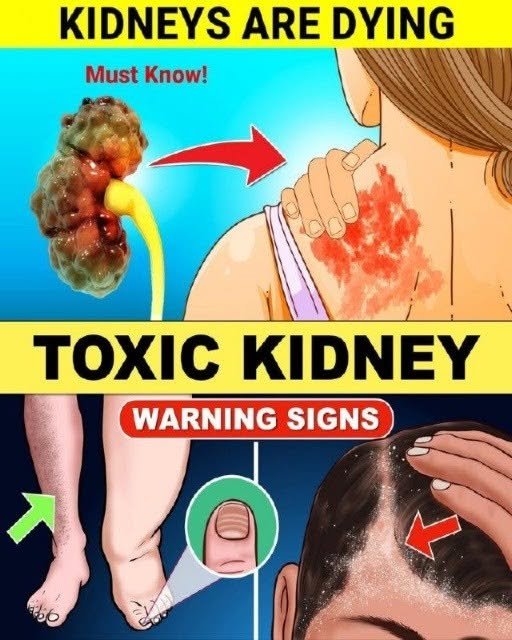
New or worsening swelling in the legs, ankles, or feet.
Persistent nausea or vomiting.
Unusual fatigue or weakness.
Shortness of breath, particularly with swelling.
These symptoms can have many causes and cannot confirm kidney disease on their own. Seek urgent medical care for a major reduction in urine output, severe breathing difficulty, confusion, or rapidly worsening symptoms.
Blood and urine tests are often needed to assess kidney function accurately.
Five Ways to Protect Your Kidneys When Taking Medication
Follow the prescribed dose. Taking more medicine does not necessarily provide better relief and may increase risks.
Check before using over-the-counter products. Painkillers and cold remedies can contain ingredients that affect kidney function.
Tell your pharmacist about all your medicines. Include supplements and herbal products.
Ask about kidney monitoring. Blood tests and urine tests may be appropriate for certain medicines or health conditions.
Have a plan for illness. Vomiting, diarrhea, and dehydration can change the risks of some medicines. Ask your healthcare professional in advance what to do if you become ill.
Frequently Asked Questions
Can common painkillers damage the kidneys?
Some painkillers, particularly NSAIDs such as ibuprofen and naproxen, can cause kidney injury in certain circumstances. The risk increases with excessive or prolonged use, dehydration, and existing kidney disease.
Should I stop taking medication to protect my kidneys?
No. Stopping prescribed medicine without medical advice can be dangerous. Some medicines protect the kidneys and heart, while others may need dose adjustments or monitoring depending on your kidney function.
How can I know whether my kidneys are healthy?
A healthcare professional may use a blood test to estimate your glomerular filtration rate (eGFR) and a urine test to look for albumin, a type of protein. Your results should be interpreted alongside your medical history.
Is drinking extra water enough to prevent kidney damage?
No. Staying adequately hydrated is important, but it cannot prevent every form of medication-related kidney injury. People with heart failure or certain kidney conditions may also have fluid restrictions, so they should follow individualized advice.
Final Thoughts
Some medicines can affect kidney function, especially when misused or taken by people with particular risk factors. NSAIDs, certain antibiotics, lithium, some acid-reducing medicines, and specific bowel-cleansing products are examples that may require precautions.
The safest approach is not to avoid all medication. It is to use the right treatment at the right dose, understand its risks, and review your medicines with a qualified healthcare professional.
Medical Disclaimer
This article is for general educational purposes only and is not a substitute for personalized medical advice, diagnosis, or treatment. Do not stop or change prescribed medication based on this article. Consult your doctor or pharmacist about your individual risks.