Can You Guess What This Old Metal Tool Was Used For? The Surprising History of Lead-Melting Tools
Have you ever discovered an old metal object in a workshop, garage, or antique collection and wondered what it was designed to do? Some tools from the past look so unusual that it can be difficult to imagine how people used them in everyday life.
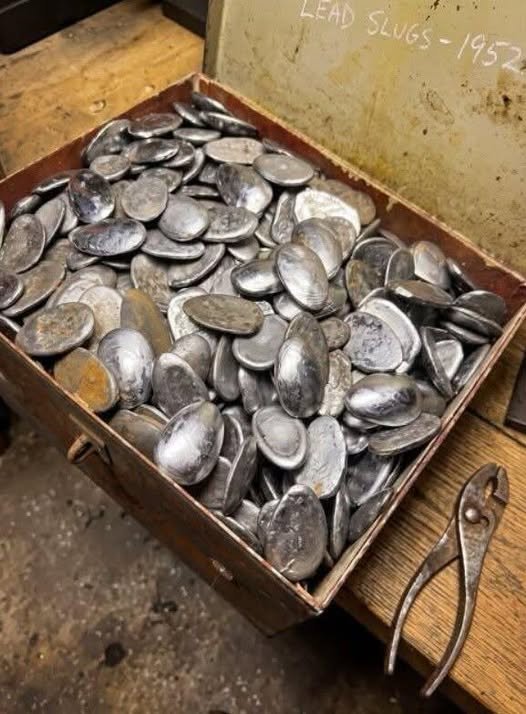
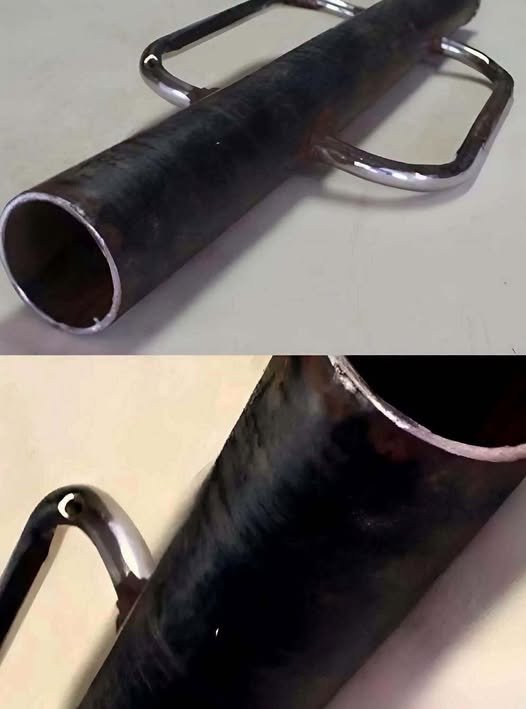
A photograph of a box filled with heavy metal pieces, accompanied by an old workshop tool, has sparked curiosity about traditional metalworking and the equipment people once relied on.
The clue is the handwritten label referring to lead slugs. This suggests a connection to lead, a metal that was historically used in many practical applications. But what kinds of tools were used to work with lead, and why were they so important?
Let’s explore the history of leadworking tools and the role they played in traditional workshops.
What Was This Old Tool Used For?
One possible explanation is that the object is connected to the traditional practice of melting and casting metal. Historically, metalworkers used heat-resistant containers and specialized tools to handle molten metals and pour them into molds.
A ladle or melting spoon could be used to transfer small quantities of molten metal, depending on its material, construction, and intended purpose.
However, identifying a particular antique tool requires more than appearance alone. Its shape, dimensions, material, markings, and original context all help establish its intended use. The photograph by itself does not conclusively prove that the pictured object is a cast-iron melting spoon.
The label mentioning lead slugs is a useful historical clue, but it does not necessarily identify every object in the photograph.
What Were Lead Slugs Used For?
Lead has been used for centuries because it is relatively dense, soft, and easy to shape compared with many other metals.
Depending on the period and application, lead and lead alloys were used to manufacture a variety of objects.
Fishing Weights
Lead was historically used to make fishing sinkers because its density allows a relatively small weight to help fishing lines and bait sink.
Modern fishing products may use alternative materials, including steel and other lead-free options, because lead can harm people and wildlife.
Ammunition Components
Lead has also been used in certain types of ammunition