How to Remove Yellow Stains From a Toilet Seat: Simple Cleaning Tips That Work
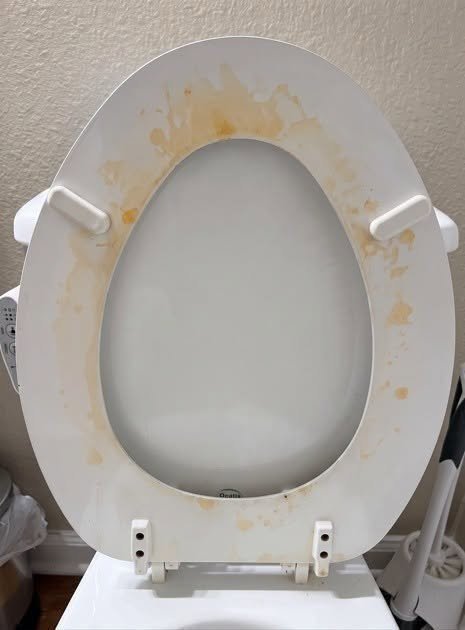
Have you ever noticed stubborn yellow stains on a toilet seat that seem impossible to remove? Even after trying multipurpose cleaners, baking soda, or vinegar, some discoloration may remain. If this sounds familiar, don’t feel embarrassed—these stains are a common household cleaning problem.
The good news is that the right approach may help improve the appearance of your toilet seat. The key is to identify what is causing the discoloration and choose a cleaning method that is safe for the seat’s material.
Why Does a Toilet Seat Turn Yellow?
Yellow stains can develop for several reasons, and not all of them are caused by poor cleaning.
1. Mineral deposits: Hard water can leave mineral residue that contributes to discoloration over time.
2. Urine residue: Small splashes that are not cleaned regularly can leave yellowish marks, especially around the hinges and edges.
3. Aging plastic: White plastic can gradually yellow because of age, sunlight, chemical exposure, or changes in the material itself.
4. Cleaning product damage: Certain harsh cleaners can discolor or damage plastic surfaces, particularly when used repeatedly or left on too long.
Understanding the cause matters because a stain on the surface may respond to cleaning, while permanent discoloration within the plastic may not.
Step-by-Step: How to Clean Yellow Stains From a Toilet Seat
Step 1: Check the Manufacturer’s Instructions
Before trying another product, check whether the seat is made of plastic, thermoplastic, or a coated material. Different finishes tolerate different cleaners.
Avoid abrasive scouring pads, steel wool, and aggressive chemicals that could scratch or damage the surface.
Step 2: Start With Warm Water and Dish Soap
Mix a small amount of mild dish soap with warm water.
Dampen a soft cloth, wipe the stained areas, and pay attention to the edges and hinges. Rinse with a clean, damp cloth and dry the seat.
This is a good first step for removing everyday residue without unnecessarily damaging the surface.
Step 3: Try a Suitable Bathroom Cleaner
If the yellow marks remain, choose a nonabrasive cleaner specifically labeled as safe for your toilet seat’s material.
Follow the label instructions, test the product on a small, inconspicuous area if appropriate, and rinse thoroughly.
Do not leave a cleaner on the surface longer than directed.
Step 4: Clean Around the Hinges
Discoloration often accumulates around hinge fittings and other hard-to-reach areas.
Use a soft toothbrush or small cleaning brush with mild soapy water to reach these spots. Avoid soaking metal fittings or using a tool that could scratch the seat.
Step 5: Consider Whether the Stain Is Permanent
If the seat remains yellow after gentle cleaning, the plastic itself may have discolored.
In that case, stronger scrubbing may cause more damage without improving the appearance. Replacing an old or permanently discolored seat may be the most practical option.
What About Baking Soda, Vinegar, and Bleach?
Baking soda and vinegar are popular household cleaning ingredients, but neither is guaranteed to remove permanent yellowing from plastic.
Since you have already tried baking soda and vinegar without success, repeatedly applying the same mixture is unlikely to solve a stain caused by aging material.
Important safety precautions:
Never mix bleach with vinegar or other acidic cleaners, because dangerous chlorine gas can be released.
Never mix bleach with ammonia-containing products.
Rinse away one cleaning product before using another, and follow all product labels.
Wear suitable gloves and ventilate the bathroom while cleaning.
Avoid abrasive powders or harsh chemicals unless the seat manufacturer specifically permits them.
How to Prevent Yellow Stains From Returning
A few simple habits can help keep your toilet seat looking cleaner:
Wipe the seat regularly with a mild, compatible cleaner.
Clean around the hinges and edges where residue can collect.
Dry the surface after cleaning.
Avoid leaving cleaning chemicals on the seat longer than recommended.
Follow the manufacturer’s care instructions.
Frequently Asked Questions
Why won’t yellow stains come off my toilet seat?
The discoloration may be caused by mineral deposits, residue, chemical damage, or aging plastic. If gentle cleaning does not help, the yellowing may be permanent.
Can vinegar remove yellow stains from plastic?
Vinegar may help with some mineral deposits, but it will not reliably reverse yellowing caused by aging or chemical changes in the plastic. Check the manufacturer’s instructions before using it.
Is bleach safe for cleaning a toilet seat?
That depends on the seat material and manufacturer. Some products may damage or discolor certain surfaces. Use bleach only if the manufacturer permits it, follow the label, and never mix it with other cleaners.
Should I replace a yellow toilet seat?
If the seat is cracked, damaged, persistently discolored, or difficult to clean, replacing it may be the simplest solution.
Final Thoughts
Yellow stains on a toilet seat can be frustrating, especially when ordinary cleaners fail. Start with gentle cleaning, choose products that are compatible with the seat material, and avoid harsh scrubbing or mixing chemicals.
If the discoloration comes from aging plastic rather than surface residue, no cleaning trick may restore the original white color completely.
Have you found a safe cleaning method that worked on stubborn yellow stains? Share your experience in the comments to help other readers!