She Saved Her Empty Pill Bottles — And These Clever Ideas Gave Them a Second Life
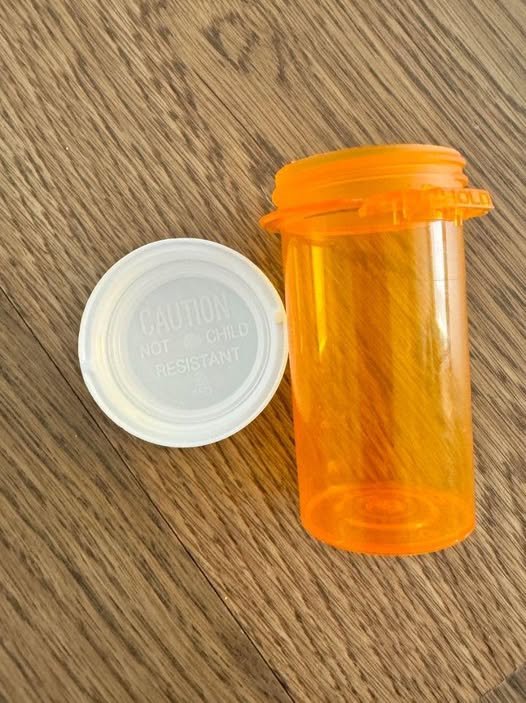
Empty prescription bottles are easy to throw away, but their small size, durable plastic, and secure lids can make them surprisingly useful around the house.
Before reusing them, however, make sure they are completely empty and cleaned, remove any personal information from labels, and don’t use old medication containers for anything that could be confused with medicine.
Here are some practical ways to give them a second life.
1. Store Small Craft Supplies
Prescription bottles are perfect for tiny items that tend to disappear.
You can use them to organize:
Buttons
Beads
Sewing needles
Small pieces of ribbon
Craft embellishments
Small screws and nuts
The transparent or translucent plastic also makes it easy to see what’s inside.
2. Keep Small Hardware Organized
If you have a collection of screws, washers, nails, or other small hardware, several bottles can become inexpensive organizers.
Write the contents on the outside and keep the bottles together in a drawer or toolbox.
3. Create a Small Travel Container
The bottles can be useful for storing non-food personal items when traveling.
For example, they can hold small accessories, hair ties, cotton swabs, or other little objects that you don’t want loose in your luggage.
Don’t use them to store medication unless the container is specifically appropriate and properly labeled for that purpose.
4. Organize Your Desk
Small office supplies can quickly clutter a workspace.
An empty bottle can hold:
Paper clips
Push pins
Rubber bands
Small clips
Erasers
It’s a simple way to keep a drawer organized.
5. Make a Mini Emergency Kit
A clean bottle can hold a few small non-medication emergency items, such as safety pins, small pieces of string, or other compact supplies.
For actual medicines, use the original labeled containers so the medication can be correctly identified and safely stored.
6. Keep Small Items From Getting Lost
Have a tiny object that constantly disappears?
A pill bottle can become its designated storage container.
This works especially well for spare buttons, small electronic parts, keys for rarely used locks, or other miscellaneous pieces.
7. Turn Them Into Seed or Gardening Organizers
Clean, completely dry bottles can be useful for organizing non-perishable gardening supplies, such as plant labels or small gardening accessories.
If storing seeds, make sure the container is completely dry and clearly labeled with the plant name and date.
Before Reusing Prescription Bottles
There’s one important step many people overlook.
Remove or completely cover the pharmacy label.
Prescription labels can contain your name, medication information, prescription number, pharmacy information, and other personal details.
Don’t simply put a new label over sensitive information if the old information can still be read.
Also, keep prescription bottles away from children, even when they’re empty. The child-resistant closure is not a guarantee of child safety.
What You Should NOT Store in Them
It’s best to avoid using old medication bottles for:
Food
Spices
Drinking water
Baby items
Anything that could be mistaken for medicine
Medication containers may have been exposed to pharmaceutical residues, and reusing them for food or beverages can create unnecessary confusion.
The Bottom Line
Before tossing an empty prescription bottle into the trash or recycling bin, consider whether it can safely be reused for small household organization.
With a little cleaning and creativity, something that once held medicine can become a handy container for craft supplies, hardware, office items, and other small objects.
Just remember: remove your personal information and never let an old medication container create confusion about what is inside.