What Does Finding This Insect in Your Home Indicate?
If you’ve suddenly spotted this strange-looking insect crawling across your wall, you may be wondering whether it’s a sign of an infestation—or something more serious.
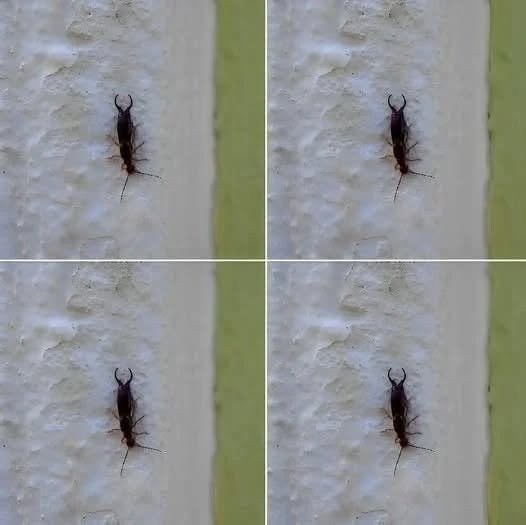
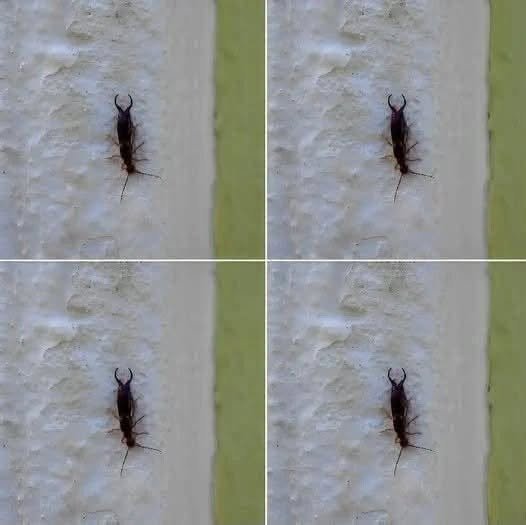
The insect in the photo appears to be an earwig, recognizable by the pair of curved pincers at the end of its abdomen.
Despite its intimidating appearance, earwigs are generally harmless to people and pets.
🐜 Why Are Earwigs Coming Into Your House?
Finding an earwig indoors often means it has found a place that provides the conditions it prefers: darkness, moisture and shelter.
They are commonly associated with damp areas and may enter buildings through small gaps around:
Doors and windows
Cracks in walls
Foundations
Pipes and utility openings
Gaps around screens
They may also accidentally enter from gardens, vegetation, firewood or other outdoor materials.
Does One Earwig Mean You Have an Infestation?
Not necessarily.
Seeing one or two earwigs doesn’t automatically mean you have a major infestation.
However, if you’re finding them repeatedly—especially in bathrooms, basements, kitchens or other damp areas—it may be worth checking the surrounding environment for excess moisture.
Look for:
Leaking pipes
Damp walls
Standing water
Poor drainage
Wet leaves or vegetation near the house
Cracks and gaps around doors or windows
Are Earwigs Dangerous?
Despite their frightening pincers, earwigs do not have venomous stingers and generally don’t pose a significant danger to humans.
Their pincers, called cerci, are mainly used for defense and other behaviors. They can pinch if handled, but serious injuries are uncommon.
And despite an old myth, earwigs do not crawl into people’s ears and lay eggs in their brains.
Why Do They Appear at Night?
Earwigs are primarily nocturnal.
During the day, they often hide in dark, protected places. At night, they become more active and search for food and shelter.
That’s why you may suddenly notice one crawling across a bathroom floor or wall after dark.
How to Keep Earwigs Out
You don’t necessarily need strong chemicals to deal with occasional earwigs.
1. Reduce Moisture
Repair leaking faucets and pipes and improve ventilation in damp rooms.
2. Seal Entry Points
Check around doors, windows, foundations and utility openings for cracks or gaps.
3. Remove Outdoor Hiding Places
Move piles of leaves, damp wood, cardboard and other debris away from the home’s foundation.
4. Keep Vegetation Trimmed
Plants and dense vegetation directly against the house can provide shelter and an easy route indoors.
5. Vacuum Individual Insects
If you only see an occasional earwig, simply removing it with a vacuum is often enough.
When Should You Investigate Further?
If you consistently find large numbers of earwigs indoors, don’t just focus on killing the insects you see.
Instead, look for the environmental condition attracting them—particularly persistent moisture or easy access from outside.
Addressing the source is usually more useful than repeatedly treating individual insects.
The Bottom Line
Finding an earwig in your home doesn’t automatically mean your house is infested or unsafe.
More often, it means the insect has found a suitable route inside or a damp, sheltered place to hide.
If you’re seeing them regularly, check for moisture, leaks, outdoor debris and gaps around the building.
And don’t let those intimidating pincers fool you—the earwig may look scary, but it’s usually much less dangerous than it appears. 🪲