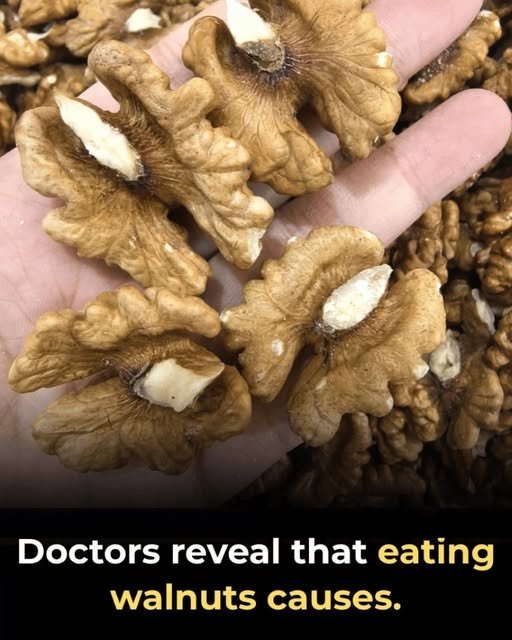
Walnuts are small, but they are packed with nutrients—including unsaturated fats, fiber, protein, minerals and plant compounds. Eating them regularly can be a useful part of a balanced diet, particularly when they replace less nutritious snacks.
Research does not show that walnuts are a miracle food or that eating them every day prevents disease. However, several studies have found potentially beneficial effects on cholesterol and cardiovascular health.
1. Your Cholesterol Profile May Improve ❤️
One of the best-studied benefits of walnuts is their effect on blood lipids.
A 2026 meta-analysis of 49 randomized controlled trials involving more than 4,600 participants found that walnut consumption was associated with modest reductions in total cholesterol, LDL (“bad”) cholesterol and triglycerides. (PubMed)
Earlier research has reported similar findings. (PubMed)
2. Walnuts Provide Heart-Friendly Fats
Walnuts are rich in polyunsaturated fats, including plant-based omega-3 fatty acid alpha-linolenic acid (ALA).
Replacing foods high in saturated fat with foods containing unsaturated fats can be part of a heart-healthy eating pattern.
In a two-year study of healthy older adults, people who consumed walnuts daily experienced modest reductions in LDL cholesterol and total cholesterol compared with their baseline levels. (American Heart Association)
3. They Can Add Fiber and Plant Nutrients to Your Diet
Walnuts provide dietary fiber along with a variety of micronutrients and bioactive plant compounds.
Adding a small portion to oatmeal, yogurt, salads or fruit can be an easy way to increase the nutritional value of a meal or snack.
4. They May Help You Choose Better Snacks
Walnuts are energy-dense and relatively filling. Instead of reaching for highly processed snacks, a small serving of unsalted walnuts can provide healthy fats, protein and fiber.
However, more isn’t necessarily better. Walnuts are high in calories, so portion size still matters if you’re trying to manage your weight.
5. They May Support Overall Cardiovascular Health
Research examining walnuts and cardiovascular health is encouraging, but it’s important to keep the evidence in perspective.
Systematic reviews have found consistent improvements in several blood-lipid measures, while evidence for some other outcomes is less certain. Researchers therefore generally view walnuts as one component of a healthy dietary pattern rather than a treatment for cardiovascular disease. (PubMed)
How Many Walnuts Should You Eat?
A practical serving is roughly 1 ounce (28 g), which is about a small handful.
You don’t need to eat huge quantities to include walnuts in your diet. Choose plain or unsalted walnuts when possible, especially if you’re watching your sodium intake.
Easy Ways to Eat Walnuts
Try adding them to:
🥣 Oatmeal
🍓 Yogurt and fruit
🥗 Green salads
🍎 Apple slices
🥕 Homemade snack mixes
🍞 Whole-grain breakfast dishes
🥣 Smoothie bowls
Who Should Be Careful?
Anyone with a tree-nut allergy should avoid walnuts and products containing them.
People following a medically prescribed diet or managing a particular health condition should also consider their individual nutritional needs.
And while walnuts may help improve cholesterol levels, they should not replace prescribed cholesterol medication or other medical treatment.
The Bottom Line
Eating walnuts every day can be a nutritious habit. Evidence from clinical trials suggests that regular walnut consumption can modestly improve LDL cholesterol, total cholesterol and, in some studies, triglycerides. (PubMed)
The greatest benefit comes when walnuts are part of an overall balanced diet rather than added on top of an otherwise unhealthy eating pattern.
Do you eat walnuts every day, or do you prefer almonds, pistachios or another type of nut? 👇