Which Egg Comes From a Healthy Chicken? The Truth Behind Yolk Colors
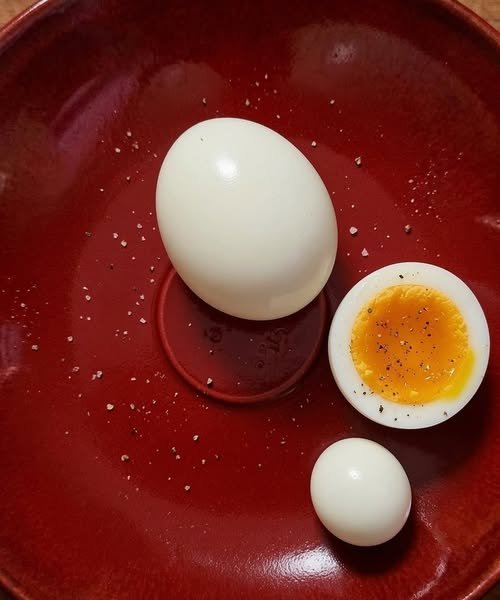
Have you ever cracked several eggs and noticed that some yolks are pale yellow while others are deep golden or orange?
It’s easy to assume that a darker yolk means the egg came from a healthier, better-fed chicken.
But yolk color alone cannot tell you whether a chicken is healthy or whether an egg is more nutritious.
🥚 What Actually Determines Yolk Color?
The main factor is the hen’s diet.
Certain natural pigments called carotenoids and xanthophylls can change the color of the yolk. They are found in ingredients such as:
Corn
Alfalfa
Marigold petals
Leafy green plants
Other pigmented vegetables and grains
A diet containing more of these pigments can produce a deeper yellow or orange yolk.
A chicken eating a different feed may produce a much paler yolk.
So Is the Orange Yolk Healthier?
Not necessarily.
A dark orange yolk doesn’t automatically mean the hen was healthier, the egg contains significantly more protein, or that the egg is nutritionally superior.
Yolk color is primarily a reflection of what the hen has been eating.
Two eggs with noticeably different yolk colors can both be perfectly fresh, safe, and nutritious.
What About the Chicken’s Health?
You cannot reliably determine a hen’s health simply by looking at the yolk.
Farmers and egg producers evaluate chicken health using factors such as:
Appetite and behavior
Body condition
Egg production
Feather condition
Signs of disease
Veterinary examinations
Flock health records
The yolk is not a simple “health meter.”
Does Yolk Color Affect Nutrition?
There can be some nutritional differences depending on the hen’s diet.
For example, feed containing certain pigments or nutrients can influence the amounts of particular compounds in the egg.
But color itself isn’t a reliable measure of overall nutritional quality.
If you’re choosing eggs at the supermarket, factors such as proper refrigeration, handling, freshness, and the nutritional needs of your diet are more useful considerations than simply choosing the darkest yolk.
What Should You Look For Instead?
When buying eggs, pay attention to:
1. Proper storage Keep eggs refrigerated according to local food-safety guidance.
2. Clean, intact shells Avoid eggs with cracked or visibly contaminated shells.
3. Reliable sourcing Choose eggs from reputable producers and follow the package’s storage instructions.
4. Dietary needs Eggs can provide protein, choline, vitamins and minerals as part of a balanced diet.
The Bottom Line
If you see several yolks ranging from pale yellow to deep orange, don’t automatically assume the darkest one came from the healthiest chicken.
The color is largely influenced by the hen’s feed and the pigments in that feed.
So which egg in the picture is from the “healthiest” chicken?
You can’t determine that from yolk color alone. 🥚
A beautiful orange yolk may look impressive, but color isn’t a health certificate.