Stop Throwing Away Eggshells? What Boiling Eggshells Can Really Do
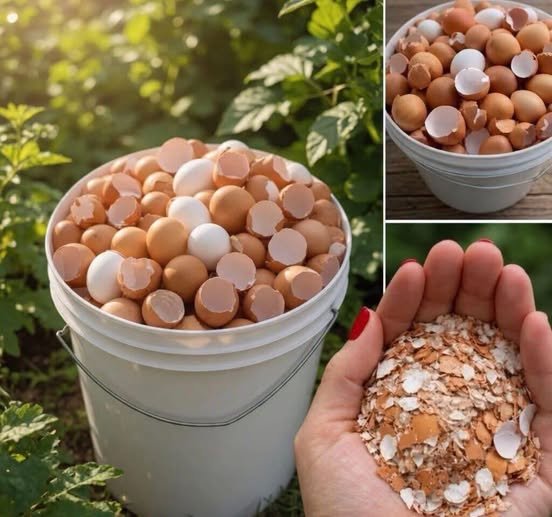
Eggshells usually go straight into the trash. But viral posts have recently promoted boiling and grinding them, claiming they can provide an easy solution for everything from weak bones to calcium deficiency.
There is some science behind using processed eggshell as a source of calcium, but the popular claims often go much further than the evidence.
Why Are Eggshells Interesting?
Chicken eggshells are made largely of calcium carbonate. Research has found that approximately 1 gram of eggshell can contain around 380 mg of calcium. PubMed Central (PMC)
That makes eggshell an interesting potential calcium source, and researchers have studied eggshell powder as a calcium ingredient in foods.
However, this does not mean you should simply crush a raw eggshell and eat it.
Why Do Some People Boil Eggshells?
One important reason is food safety.
Eggshells can become contaminated with microorganisms, including Salmonella. Research examining eggshell consumption has identified Salmonella as an important potential risk and investigated heat treatment as a way to reduce that risk. PubMed Central (PMC)
In one research-based preparation method, eggshells were boiled before being dried and finely ground. The researchers emphasized careful hygiene and additional cooking steps rather than simply consuming untreated shells. PubMed Central (PMC)
Can Eggshells Help With Calcium Intake?
Potentially, yes.
Studies have found that calcium from processed eggshell can be biologically available, and eggshell powder has been investigated as an alternative calcium source in foods. PubMed Central (PMC)
But this is very different from saying that boiled eggshells are a proven treatment for osteoporosis or other medical conditions.
If you are concerned about calcium intake, it is better to discuss your diet with a healthcare professional rather than relying on homemade eggshell powder as a supplement.
Is It Safe to Eat Eggshells?
Not simply because they have been boiled.
Egg safety requires attention to contamination, preparation and storage. The FDA notes that eggs can carry Salmonella and emphasizes proper handling and cooking to reduce foodborne illness risk. U.S. Food and Drug Administration
Eggshell also needs to be finely processed if it is being used as a food ingredient. Swallowing large or sharp pieces of shell is not a sensible approach.
For people with kidney disease, calcium-related disorders, or those taking certain medications or calcium supplements, adding a concentrated calcium source without medical advice may also be inappropriate.
What About Using Eggshells in the Garden?
This is another popular use.
Crushed eggshells can be added to compost or used as a calcium-containing material in gardening. However, eggshells are not a magical fertilizer and they break down relatively slowly.
Their practical value depends on the soil, the plant and how finely the shells are processed.
Don’t Believe Every “Miracle” Claim
A headline saying “Boil eggshells and say goodbye to…” is designed to create curiosity.
Eggshells genuinely contain a large amount of calcium, and researchers have studied their use as a calcium ingredient. But that doesn’t prove that drinking eggshell water or eating homemade eggshell powder will cure a disease, strengthen everyone’s bones or replace medical treatment.
The Bottom Line
Eggshells are more than simple kitchen waste: they are a calcium-rich material that has been scientifically studied for potential food use.PubMed Central (PMC)
But if you want to consume eggshell, food safety and proper preparation matter. Don’t simply boil random shells, crush them roughly and assume they are automatically safe.
And remember: a kitchen ingredient can be nutritious without being a miracle cure.
Have you ever reused eggshells instead of throwing them away? 🥚 Tell us in the comments! 👇