The “Liquid Death” Drink? Here’s What the Evidence Actually Says
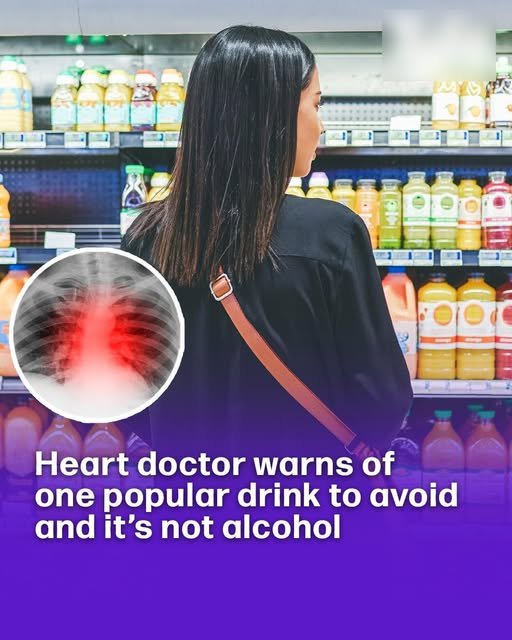
You may have seen headlines warning about one drink that doctors supposedly call “liquid death.” The dramatic phrase makes for a powerful headline, but there is no single beverage officially classified as “liquid death.”
The drink category that deserves particular attention is sugar-sweetened beverages—including regular soda, sweetened fruit drinks, sports drinks, energy drinks, and sweetened teas or coffees. Regular consumption has been associated with a higher risk of cardiovascular disease and other metabolic problems. (www.heart.org)
Why Sugary Drinks Can Be a Concern
Sugar-sweetened beverages can contain substantial amounts of added sugar while providing relatively little nutritional value. The American Heart Association notes that regularly drinking these beverages is associated with increased cardiovascular and type 2 diabetes risk. (www.heart.org)
Research has also linked higher consumption with changes in blood fats. In one observational study, drinking more than 12 ounces of sugary beverages per day was associated with higher triglycerides and a greater incidence of low HDL (“good”) cholesterol. (www.heart.org)
A systematic review and meta-analysis likewise found that each additional daily serving of sugar-sweetened beverages was associated with approximately an 8% higher relative risk of cardiovascular disease incidence and cardiovascular mortality. These are observational associations, however, and do not mean that every person who drinks a sugary beverage will develop heart disease. (PubMed)
Which Drinks Count?
Common examples include:
Regular soda
Sweetened iced tea
Sweetened coffee drinks
Fruit-flavored drinks with added sugar
Sports drinks
Energy drinks
Sweetened waters
The key is to check the nutrition label for “Added Sugars.” (www.heart.org)
What About 100% Fruit Juice?
It is important not to lump every sweet-tasting beverage into the same category. 100% fruit juice without added sugar is different from a sugar-sweetened beverage. Evidence on juice and cardiovascular outcomes is more nuanced, and the American Heart Association has reported that moderate intake of 100% fruit juice was not associated with the adverse lipid changes examined in one study. (American Heart Association)
A Simple Everyday Swap
If you regularly drink sugary beverages, replacing some of them with water, sparkling water, or another unsweetened drink can reduce your intake of added sugar. The American Heart Association specifically recommends limiting sugary beverages. (www.heart.org)
The Bottom Line
There isn’t one mysterious drink that doctors universally call “liquid death.” The evidence instead points to a broader concern: frequent consumption of sugar-sweetened beverages is associated with cardiovascular and metabolic health risks.
So rather than fearing one particular drink, pay attention to how often you consume beverages with large amounts of added sugar—and consider making water or other unsweetened beverages your everyday choices. (www.heart.org)